Balcony Bliss: Get Gardening this Spring
August 20, 2026
Transform your balcony into a gardener’s paradise.
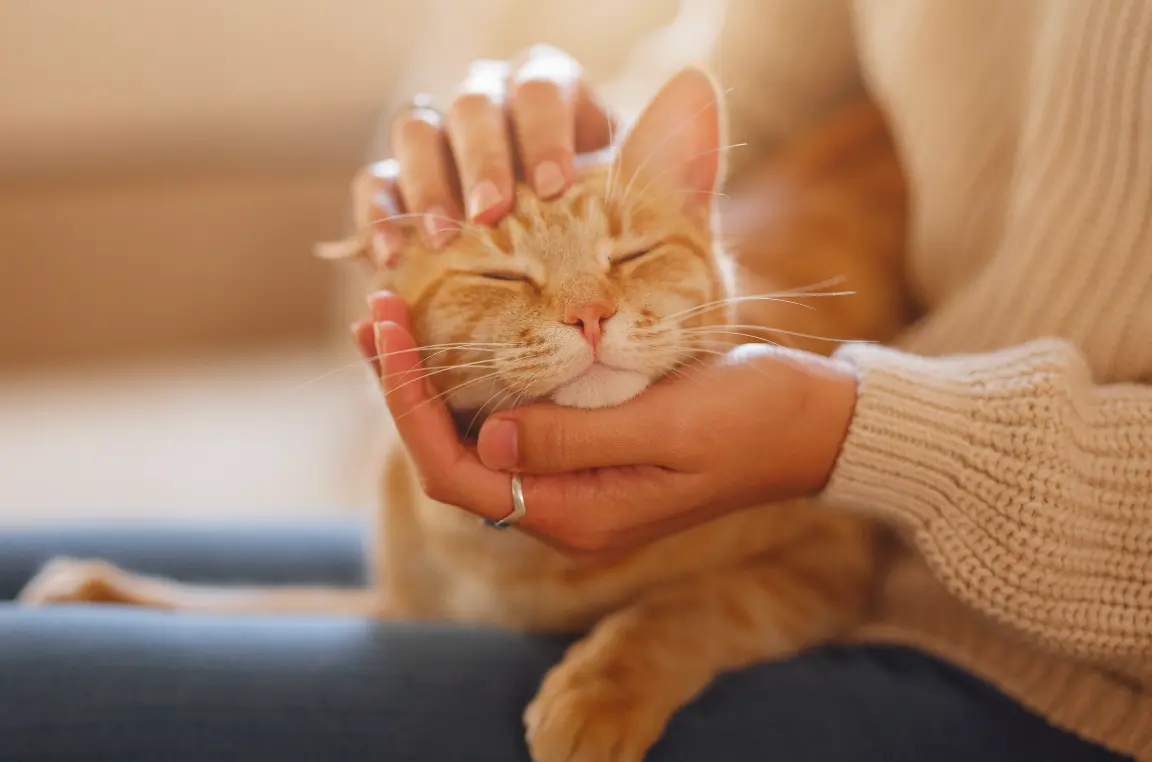
Your pet is more than just your companion—they’re family. Making sure that your furry friend is comfortable and living their best life is important, especially when you live in a pet-friendly apartment building. Challenges like limited space, noise, odour concerns, and building policies can make living with pets in an apartment tricky, but with the right setup and a few smart habits, you can create a cleaner, calmer, and more pet-friendly home for everyone.
Here are five practical pet-friendly apartment tips to help make daily life easier for every member of your family.
The first step in enjoying your pet-friendly apartment is choosing a pet that fits not only your lifestyle, but also your living space. Before bringing a pet home, it’s important to consider your daily routine, work schedule, and ability to provide regular care, exercise, and attention. If you live in a smaller suite, smaller furry friends, like cats, and small dogs, can be great options, especially if your building has stricter rules regarding noise levels, odours, and shared spaces. In addition, these pets generally tend to be lower-energy companions, making them well suited for apartment living where you may not have easy access to outdoor living space. Choosing a pet that aligns with your environment, and lifestyle can help create a happier experience for both you and your furry companion.
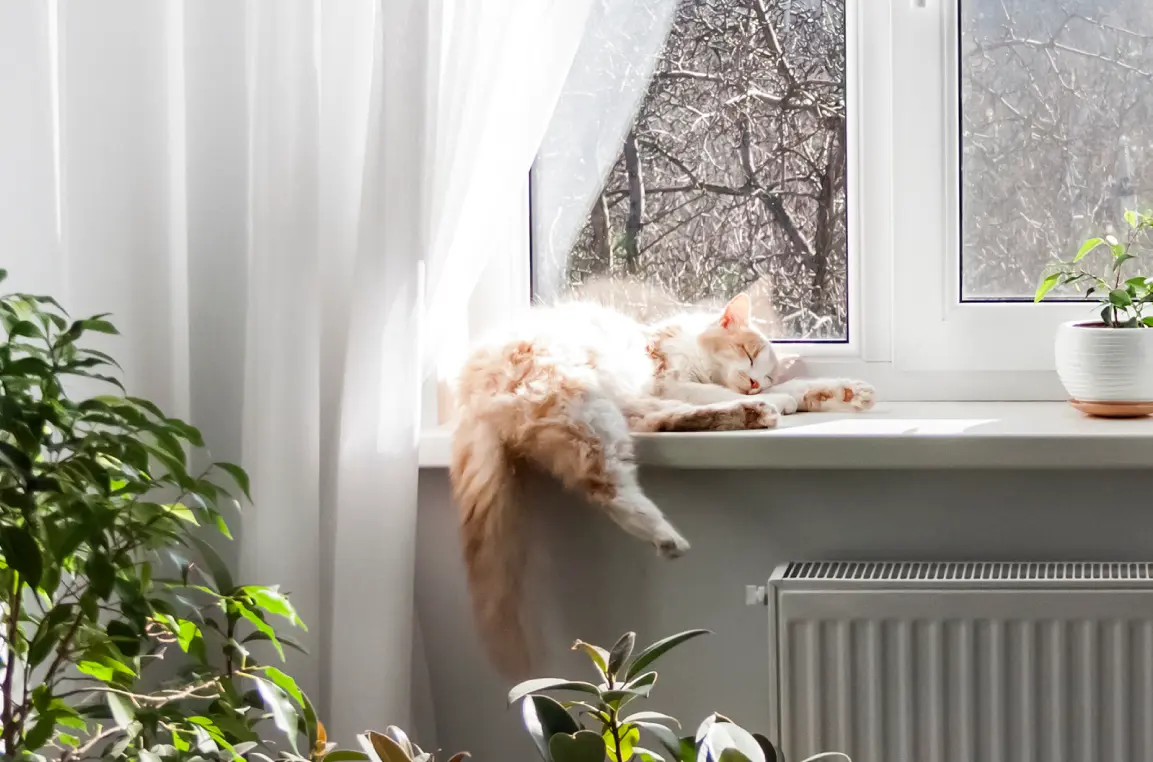
And if you feel like your apartment is too small for a pet, think again! Making use of vertical space can help maximize your home and keep pets, especially cats, engaged. Cat trees, window perches, and wall shelves provide entertainment, comfort, and a sense of security, helping pets feel more at ease in their environment without having to sacrifice more floor space.
Before picking out the perfect pet, review your leasing agreement and speak with your resident manager to get details on any potential pet restrictions in your building. Policies may include limitations on the type of pets allowed, breed or size restrictions, the number of pets permitted per suite, and additional deposits or monthly pet fees. Understanding these guidelines in advance can help you avoid unexpected issues and ensure a smooth transition for both you and your new family member. It’s also important to get to know any building expectations surrounding shared spaces, noise levels, waste disposal, and leash requirements so you can help maintain a respectful and pet-friendly community for all residents, both two-legged and four-legged varieties.
One of the biggest concerns about living with pets in an apartment is the lack of a backyard. Without sufficient exercise, pets can become restless, noisy, or destructive. Fortunately, you don’t need a large outdoor space to keep your pet happy and healthy. Planning two or three outings a day, with at least one longer walk that allows them to explore and sniff, can help pets release energy. Many Skyline rental communities feature a dog run, which is a dedicated space for your furry companion to safely run around and a good alternative when you don’t have the time to take them for a walk. Having an outings routine can also play a big role in reducing pet noise in apartments by easing pent-up energy before it turns into barking, scratching, or pacing indoors.
Remember, though: physical exercise is only part of the equation. Pets also need mental enrichment to prevent boredom, especially when living in smaller spaces. Puzzle toys and treat-dispensing games are an easy and affordable way to keep pets occupied while giving their brains a workout. For an added challenge, try stuffing and freezing the toy to make treat time (and mental stimulation time) last longer.
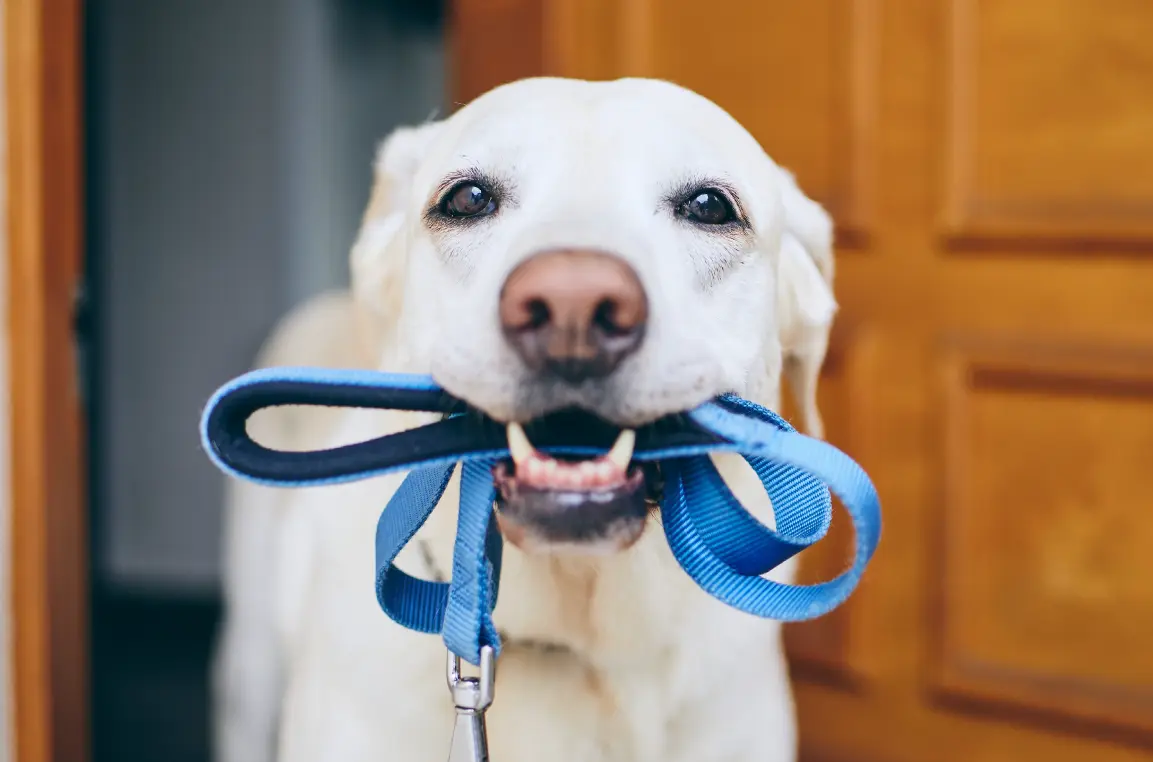
Pet-proof your apartment to help prevent accidents, protect your belongings, and give your pet the freedom to comfortably explore and live in their home.
Easy ways to pet-proof your suite include:
Taking these precautions can help protect both your pet and your home, while creating a more stress-free living environment for everyone. It also supports better apartment pet odour control by making cleanup easier since any supplies will be easy to access and organized in your smaller living space.
Living in an apartment with pets means being mindful of shared spaces and your neighbours. Make sure you’re following proper pet etiquette to help create a comfortable environment for everyone in your community:
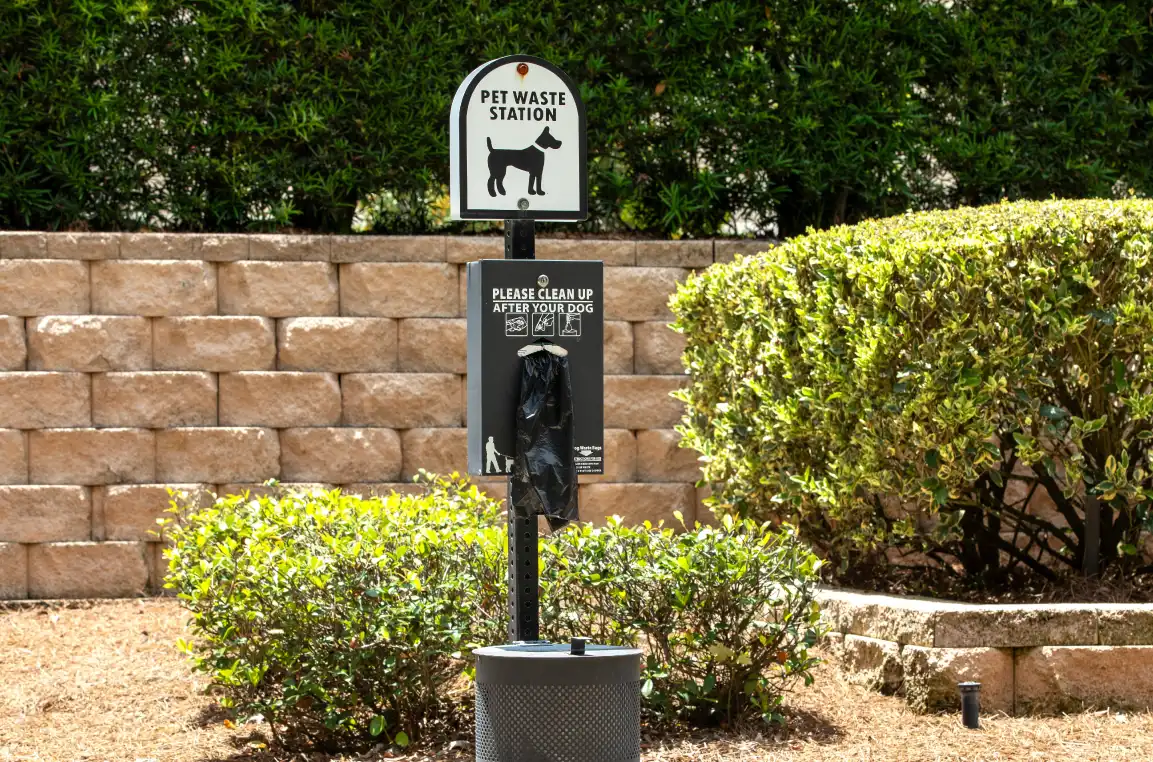
Living with a pet in an apartment may come with a few extra considerations, but it can also be incredibly rewarding. By following these five simple steps to support your pet’s health, comfort, and behaviour, apartment living with pets can be clean, calm, and full of companionship.
Looking for a pet-friendly home? Skyline Living has the perfect fit for you and your furry friend.
To control pet odours in an apartment, focus on the source first. Keep your pet groomed and clean to help prevent odours from getting into your soft fabrics. When accidents happen, clean them as soon as possible with a pet-safe enzyme cleaner. Maintain your cat’s litter box by scooping it once or twice a day and fully replacing the litter while washing the box each month. Looking for an easier option? Self-cleaning litter boxes can help reduce daily maintenance and make keeping the area clean much more convenient. Wash pet bedding and soft surfaces regularly, since fabrics trap dander and odours. You can also use air purifiers to help improve airflow in the rooms your pet uses most. For a quick, natural refresh, sprinkle baking soda on carpets or upholstery, let it sit for 15 to 30 minutes, then vacuum thoroughly.
To reduce pet noise in an apartment, start by blocking outside triggers. Use blackout curtains, or blinds, to limit your pet’s view of people, animals, or movement outdoors. You can also add background noise with a fan, white noise machine, or air purifier near windows and doors. Try to reduce any separation anxiety by leaving a TV, radio, or calming pet playlist on at low volume when you’re away. If separation anxiety is an ongoing issue, gradual crate training may help your pet feel more secure. To prevent excessive noise in your apartment, make sure your pet gets enough regular exercise and work on training to alleviate the cause of the barking or pacing.
To help pets feel more comfortable in a new, smaller space, try to keep their feeding, walking, and play routines as consistent as possible during the move. Familiar schedules can provide a sense of stability and reduce the stress that comes with being in an unfamiliar environment. It’s also helpful to create a designated “safe zone” with their bedding, toys, food bowls, and other familiar items so they have a space to retreat to while adjusting. Make sure to give them extra attention, reassurance, and time to explore the apartment at their own pace to ease the transition. And remember moving can be stressful for everyone, so all those extra cuddles will also do you some good as you settle into your new home.
August 20, 2026
August 20, 2026
August 13, 2026
July 30, 2026
July 29, 2026
July 13, 2026